
What Is a Tragic Hero? Aristotle's Rules and Examples
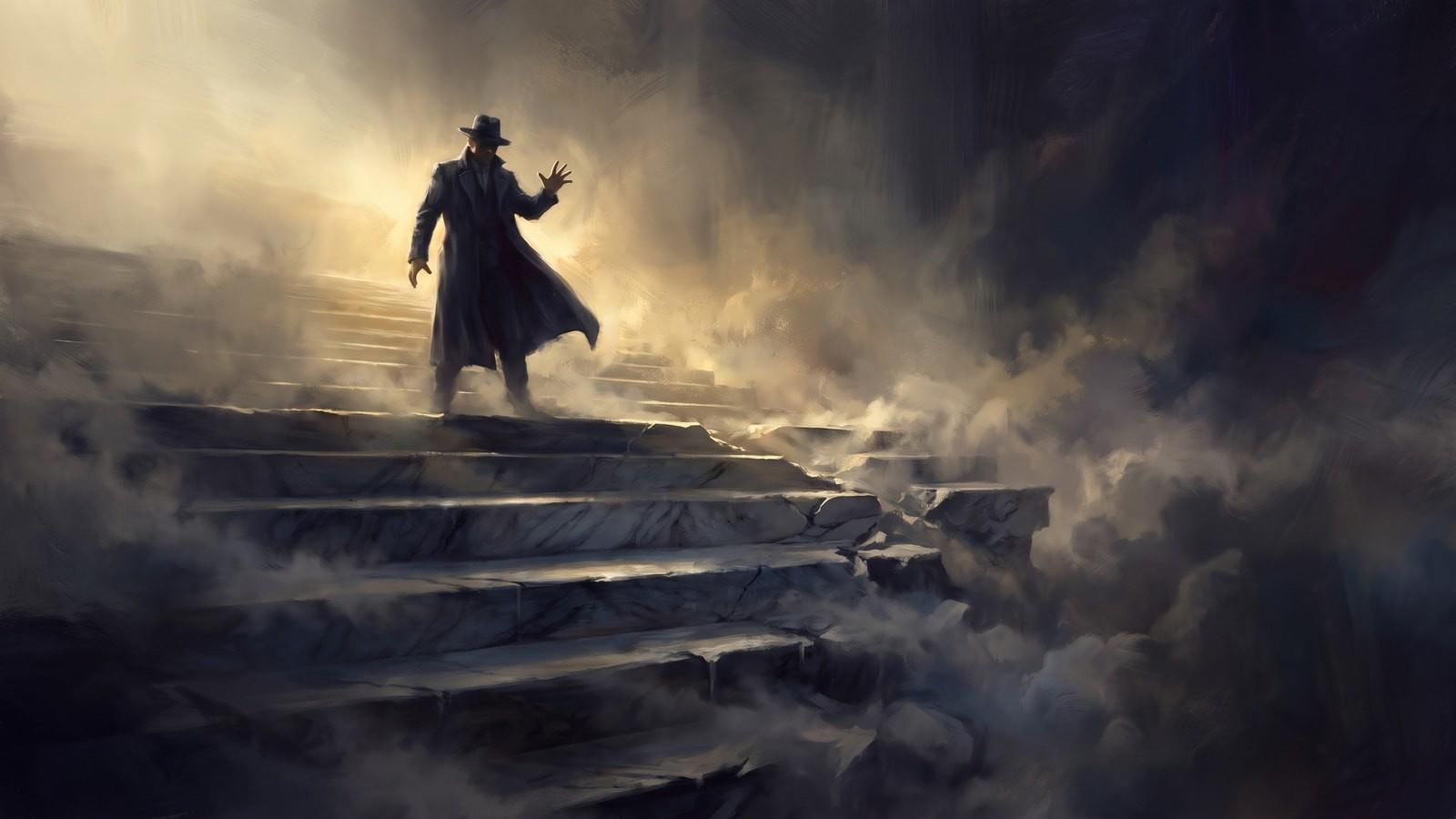
What is a tragic hero? A plain definition, Aristotle's terms, classic and modern examples, and how to write a tragic arc readers will feel in a novel.
A tragic hero is a sympathetic protagonist, usually admirable but not perfect, whose downfall comes from their own mistake or flaw rather than from pure villainy or random bad luck. We pity them because they didn't deserve all of it, and we fear for ourselves because we recognize how easily we could make the same error. The idea comes from Aristotle's Poetics, written some 2,300 years ago, and writers have been borrowing it ever since.
The short version:
- A tragic hero starts with real stature, whether that's rank, goodness, talent or the respect of a community.
- They fall because of a mistake in judgment or a flaw, not because they are simply evil.
- Somewhere near the end, they see what they have done (Aristotle's anagnorisis).
- The audience feels pity and fear, then a kind of release, called catharsis.
- A tragic hero is not an antihero: they begin morally grounded and fall, rather than starting skewed and scrambling toward a goal.
What is a tragic hero, in plain terms?
Think of someone you root for who walks, step by step, toward ruin. They aren't a monster. They are often the best person in the room. That gap between who they could have been and what they become is the whole engine of the form.
Three things have to be true at once. The character has to matter (we have to care), the fall has to be caused by something in them or their choices (not a meteor), and the outcome has to be serious and largely irreversible. If any one is missing, you get something else: a villain getting what's coming, a victim of bad luck, or a character who simply learns a lesson and recovers.
How does Aristotle define a tragic hero in Poetics?
Aristotle takes this up most directly in Chapter 13 of Poetics. His argument works by elimination. A thoroughly good person falling into misery just disgusts us, because it seems unjust. A thoroughly wicked person rising and then falling satisfies our sense of justice but doesn't move us. So the tragic hero has to sit in between: someone not pre-eminent in virtue and justice, who falls not through vice but through a mistake.
The vocabulary people look for in a PDF or study sheet comes down to a handful of Greek terms:
- Hamartia: the error or flaw that sets the fall in motion.
- Peripeteia: the reversal, the moment fortune turns against the hero.
- Anagnorisis: recognition, the moment the hero understands what has happened and why.
- Catharsis: the emotional release the audience feels through pity and fear.
- Hubris: excessive pride, which later readers often treat as the standard form of hamartia.
If you want a one-page reference, those five terms and the Chapter 13 "in between" idea are the whole skeleton. Most study guides are expanding on that.
What hamartia really means (and what most pages get wrong)
Many articles define hamartia as "the tragic flaw," a built-in character defect like pride, greed or jealousy. That reading is popular, but it isn't quite what the word meant. It comes from the Greek verb hamartanein, an archery term meaning "to miss the mark." Aristotle's emphasis is on an error, often a mistake made in ignorance, rather than a moral defect the hero carries around.
This matters for writing. A flaw is a trait; an error is an event. Oedipus isn't undone by a vice so much as by a series of choices made without knowing who he is and what he has already done. He has strong qualities (decisiveness, determination to protect his city) that drive him straight into the discovery that destroys him. So yes, to answer a question people ask directly: Oedipus Rex is a tragic hero, and arguably the model case. Aristotle himself points to the play as an example of plot done well.
For a novelist, the useful takeaway is that you have two tools, not one. You can build a fall from a flaw (pride that won't bend) or from a mistake (an honest misreading of a situation), and the strongest tragedies usually braid the two.
What are some tragic heroes?
Here are the usual suspects, with the reason each earns the label:
- Oedipus (Oedipus Rex): a capable king whose search for the truth uncovers his own guilt.
- Macbeth (Macbeth): a respected soldier whose ambition, once fed, consumes him.
- Hamlet (Hamlet): a thoughtful prince whose hesitation and grief tangle everyone around him.
- King Lear (King Lear) and Othello (Othello): men of stature undone by misjudging the people closest to them.
- Jay Gatsby (The Great Gatsby): a self-made man whose hope for a recovered past ruins him.
- Willy Loman (Death of a Salesman): an ordinary working man, which was Arthur Miller's point in the 20th century: tragedy isn't reserved for kings.
- Anakin Skywalker (Star Wars) and Walter White (Breaking Bad): modern examples where the fall is the whole story.
Notice what changed over time. Sophocles added a third actor to Greek tragedy, giving more room for individual conflict. By Miller's day, "stature" had shifted from birth to something closer to moral weight and personal stakes.
Tragic hero vs. antihero vs. villain
These get blurred constantly, so here is a clean way to separate them by direction of travel.
- A tragic hero begins morally grounded and falls. The arc points down.
- An antihero begins with skewed morals or unheroic methods and is often pushing toward a goal, sometimes toward redemption. The arc can point either way.
- A villain is the source of harm, and we aren't asked to grieve their ending in the same way.
The test I'd use as a writer: at the start, would a reader trust this person with something precious? If yes, and by the end they've lost it all through their own choices, you're in tragic territory.
How to write a tragic hero in a modern novel
Aristotle's rules were built for the stage, but they translate to a long-form book with a few adjustments.
Redefine "noble." Your hero doesn't need a crown. They need stature readers can feel: competence, a community that depends on them, a conscience, something to lose. A head nurse, a failing founder or a devoted brother can all carry it.
Make the error understandable. The reader should be able to say, "I'd have done the same." If the mistake looks stupid, we stop sympathizing. If it looks like a reasonable choice with a bad outcome, we lean in.
Plant the fall early. The flaw or error should be visible in chapter one, in a small, forgivable form. Then let it compound. Readers feel the inevitability when they remember the small version.
Give them the recognition scene. The moment of anagnorisis is where a tragic hero stops being a bad ending and becomes a meaningful one. Let them see clearly, even if it's too late.
Keep the middle honest. A tragic arc is a chain of cause and effect, and it breaks easily if a character acts out of character or a consequence gets forgotten. This is where planning pays off. If you're mapping the turns before you write, the guides on how to outline a novel and the story beat sheet lay out the structure, and character arc meaning and how to write one goes deeper on the shape of a change.
Planning a tragic arc on Novelmint
If you're writing one, the hard part is usually continuity: the tragic hero's choices have to stack up, and each consequence has to remember what came before. On Novelmint you can talk the story through with Minty, the built-in AI editor, and she lays it out as chapters, beats, characters and plot threads while you watch. The Timeline view shows each plot thread as a colored line through the chapters it runs through, so you can see where the flaw is planted, where it bites and where the reversal lands.
When the book is drafted, a Continuity check reads your beats against your story bible and lists what clashes, and Minty can review pacing and character arcs with each point tied to the chapters behind it. The Studio's Characters page holds each character's profile (personality, history, goals, relationships) so the hero's flaw stays consistent from chapter to chapter. If you prefer to work inside another AI app, Novelmint connects to Claude, ChatGPT and other apps that support MCP, so you can plan and edit the same book from there; the details are on the MCP page. To see how the planning side works, read plan a book with Minty and the continuity check page.
FAQ
What are some tragic heroes?
Oedipus, Macbeth, Hamlet, King Lear and Othello are the classic stage examples. Among later and modern ones, Jay Gatsby, Willy Loman, Anakin Skywalker and Walter White are the names that come up most. What they share is stature, a fall driven by their own choices, and a moment of recognition.
Is Oedipus Rex a tragic hero?
Yes. Oedipus is a capable, well-meaning ruler whose mistakes, made in ignorance, lead to a devastating reversal and a moment of terrible recognition. He fits Aristotle's pattern closely, which is why the play is the standard teaching example.
Can you provide a PDF explanation of Aristotle's concept of the tragic hero?
I can't hand you a file here, but you can build a one-page summary from this post: the "in between" hero of Chapter 13, plus the five terms (hamartia, peripeteia, anagnorisis, catharsis, hubris). Paste those into a document and you have the reference most study guides expand on. If you want the primary text, look for a translation of Aristotle's Poetics and read Chapter 13.
How does Aristotle define a tragic hero in Poetics?
In Chapter 13, Aristotle describes a person who is neither perfectly virtuous nor wicked, who experiences a fall from good fortune to bad through a hamartia, an error or mistake, rather than through villainy. The result should inspire pity and fear in the audience.
Where to go from here
A tragic hero works because the fall feels earned and the reader sees it coming a half-step before the character does. If you have a protagonist in mind, sketch the small, forgivable version of their error first, then let the plan build outward from it. When you're ready to turn that into chapters, you can start writing a book and work it out with Minty.