
Mood Examples in Literature: How Writers Build It
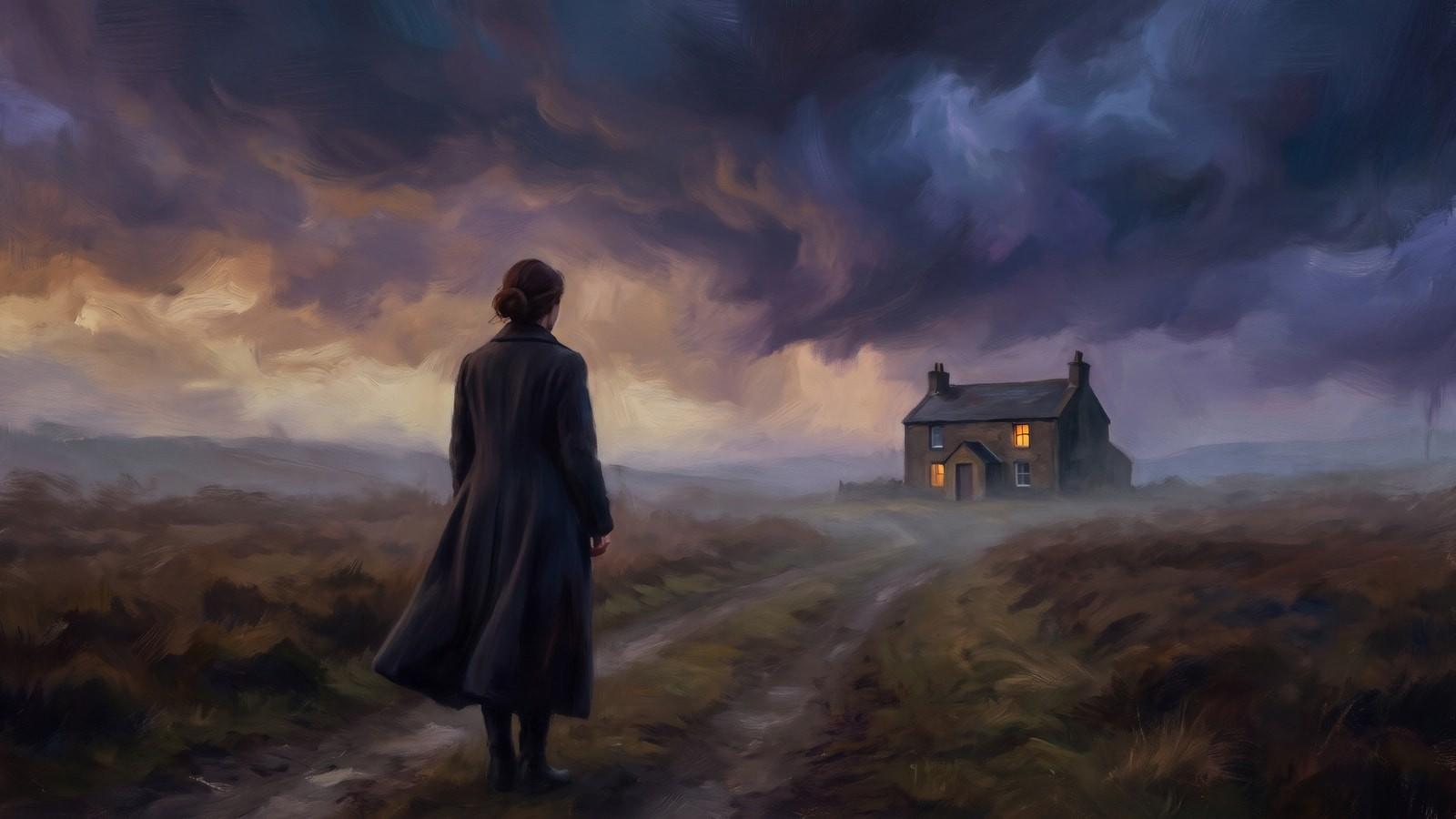
Mood examples in literature, with real book passages, a word list by emotion, and ways to shift mood scene by scene in your own novel.
Mood examples in literature are the feelings a passage creates in the reader: dread in Poe's The Fall of the House of Usher, wistful longing in The Great Gatsby, quiet contentment in Charlotte's Web. Mood is the emotional atmosphere a piece of writing evokes in whoever is reading it, which makes it different from what a character feels or what the author thinks. If you can name what a page does to your chest, you have found its mood.
Here is what to take away:
- Mood is the reader's feeling; tone is the narrator's attitude; atmosphere is the sensory backdrop that carries both.
- Writers build mood through setting, word choice, imagery, sentence rhythm and point of view.
- Mood moves from scene to scene, and good books use that movement on purpose.
- A character can feel calm while the reader feels dread. That gap is a craft tool.
- A mood word list is a starting point, but the specific detail you attach to it does the work.
Mood vs. tone vs. atmosphere
These three get blurred constantly, and a quick separation helps.
Mood is what the reader feels. Tone is the attitude the narrator or author takes toward the subject: wry, tender, bitter, detached. Atmosphere is the sensory world of the scene, the fog, the smell of wet wool, the hum of a refrigerator in an empty kitchen, which is one of the main materials mood is made from.
A narrator can be coldly amused (tone) while describing a funeral in a sunlit garden (atmosphere), and the reader may feel unsettled (mood). The three don't have to agree, and the friction between them is often where the interesting writing lives.
Mood examples in literature, with what makes them work
Rather than only labeling books, here is what each one does on the page.
Foreboding: The Fall of the House of Usher by Edgar Allan Poe. The narrator approaches the house "during the whole of a dull, dark, and soundless day in the autumn of the year." Stacked adjectives, a season of decline and a stillness with no sound all push toward dread before anything has happened. The mood arrives before the plot does.
Tension and unease: To Kill a Mockingbird by Harper Lee. Much of the dread comes from a child's limited view of adult danger. Scout doesn't fully understand what's building around the trial, so the reader, who understands slightly more, feels the pressure she can't name.
Nostalgia and longing: The Great Gatsby by F. Scott Fitzgerald. Nick's narration looks backward, and the prose keeps reaching for a past that can't be reclaimed. The green light across the water turns a physical detail into an ache.
Peace and sentiment: Charlotte's Web by E.B. White. Barn smells, slow seasons and small, repeated rituals make the setting feel safe, so when loss threatens, it lands harder against all that warmth.
Melancholy and suspense also dominate the books most often studied in classrooms, which is why you'll see them at the top of most example lists. But those lists lean toward a handful of classics. Modern genre fiction offers just as many clear cases: the cozy, low-stakes warmth of a village fantasy, the slow-building paranoia of a domestic thriller, the charged banter and held breath of a romance.
Mood words: from the 5 examples to 20 and beyond
If you came here asking "what are 5 examples of mood?" or "what are some common moods?", here is a working list, grouped by feeling. Treat it as a palette, not a menu.
- Warm: cheerful, nostalgic, romantic, serene, hopeful, cozy, tender
- Dark: gloomy, somber, melancholic, bleak, ominous, haunting, desolate
- Tense: suspenseful, foreboding, eerie, anxious, claustrophobic, uneasy, frantic
- Lively: playful, jubilant, whimsical, energetic, triumphant
People also search for "20 examples of emotions," which overlaps with this. Emotions (fear, joy, grief, anger, envy, relief) are what characters feel. Mood words describe the overall atmosphere a reader absorbs. A character's grief might sit inside a mood that is hushed, tender or even darkly funny, depending on how you write the scene.
Longer lists exist: Writers Write publishes a list of 140 words to describe mood in fiction, and Spines offers a 100+ list of moods sorted into categories. They're useful for vocabulary, but a word on its own does nothing. "Eerie" only works once you've shown the unlit hallway and the door that was closed a minute ago.
How writers build mood
Writers Write names five elements that shape mood: setting, style, viewpoint, tone and genre. In practice, you pull a handful of levers.
Setting. Where and when a scene happens sets expectations before a character speaks. An overgrown greenhouse and a brightly lit bakery start from different places.
Word choice. "Crept" and "strolled" can describe the same walk and make opposite scenes. Choose verbs and adjectives that carry the feeling instead of announcing it.
Sensory detail. Mood lives in specifics: the sound the floorboard makes, the temperature of the room, the thing nobody mentions. One precise, slightly wrong detail does more than a paragraph of "it felt ominous."
Sentence rhythm. Short sentences speed up and tighten. Long, looping ones slow time and can lull or disorient. A chase scene and a grief scene shouldn't breathe at the same pace.
Point of view. What the viewpoint character notices, and what they miss, filters everything. A nervous character sees exits; a content one sees light on the table.
Mood is not one label per book
Most guides say "the mood of Macbeth is dark" and stop there. Real books don't hold one note. A chapter can open in cozy comfort and tip into paranoia by its last page, and that turn is often where the reader leans in.
This also clears up the confusion between character emotion and reader mood. Dramatic irony is the clearest case: a character hums while cooking dinner, calm and content, while the reader knows who is waiting in the next room. The character's emotion is peace. The mood is suspense. Writing that gap deliberately gives you control over the reader instead of just matching the characters.
A practical way to work: for each scene, decide the mood you want the reader to leave with, then check whether the opening is the same, a contrast, or a deliberate setup. Plan the shifts instead of hoping they happen.
Planning mood in your own novel on Novelmint
If you're writing a novel, mood is easier to control when it's part of the plan instead of something you hope emerges in the draft. On Novelmint, you lay out your book as chapters of beats (scene-by-scene plan points), and you can add a note to any beat about how it should be written, such as what a character hides or the mood to strike. Readers only ever see the prose that note shapes.
You can also set a scene style for each beat, which shapes its tone, sentence rhythm and length within your series voice. Standard styles include Warm & Grounded and Controlled Tension, so a chapter can move from steady description into controlled tension and back, matching the mood arc you planned. Even before you write, the 18 story dials on the start page, including tone, pace, romance and darkness, let you set the overall shape. If you'd rather talk a scene through, you can ask Minty, the built-in AI editor, about a beat and decide whether to let her rewrite it or keep your own version. Some writers also work with ChatGPT or Claude on the same book by connecting those apps to Novelmint over MCP.
When you want to see how real readers react, a heatmap on your published book shows which paragraphs readers found boring, confusing, hard to believe or loved, which is a direct read on whether your mood landed.
For a deeper look at the basics, see our writer's guide to the mood in a story, and if you're wondering how scene planning works in general, what is a story beat is a good next stop.
FAQ
What are 5 examples of mood?
Foreboding (Poe's The Fall of the House of Usher), suspense (To Kill a Mockingbird), nostalgia (The Great Gatsby), peacefulness (Charlotte's Web) and melancholy. Each one comes from the reader's reaction to setting, word choice and pacing, not from a single stated emotion.
Can you give me 20 examples of emotions?
Joy, grief, fear, anger, envy, relief, shame, pride, hope, love, disgust, surprise, loneliness, guilt, contentment, jealousy, anxiety, awe, regret and boredom. Emotions belong to characters; mood is the feeling the whole passage creates in the reader, which may or may not match any character's emotion.
What are some common moods?
The ones that show up most in fiction are melancholy, suspense, joy, foreboding and nostalgia, along with romantic, eerie, hopeful, serene and somber. Genre shapes the usual choices: thrillers lean tense, romances lean charged and warm, horror leans uneasy and dreadful.
What are some examples of mood words?
Gloomy, cheerful, ominous, serene, anxious, whimsical, haunting, tender, bleak, triumphant and claustrophobic. Pick words that describe how the reader feels, then build the scene's details so the feeling arrives without you naming it.
If you want to try planning a book mood by mood, beat by beat, you can start writing a book on Novelmint.