
青石原
Complete青石原简介
标签:`现实主义`、`乡土史诗`、`年代变迁`、`群像故事`、`家族史诗`、`乡村生活`、`时代洪流`、`人文文学`。
跨越半个世纪的中国大陆北部乡村家族史诗,讲述村庄几代人在时代浪潮里,土地、宗族、生存与命运的沉浮,群像写实文学,无金手指、无穿越重生。
这是一部用网络爽文写出来的传统小说。
建国后的半个世纪里。是中国两千多年来土地制度一次最根本的改革。
黄河故道边,一个叫青石原的村庄,在五十年的时代浪潮里浮沉生息。
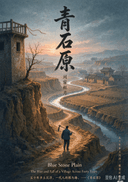
1952年,三十岁的赵德厚爬上炮楼,看见溪水白白绕村流走。他决定修渠。全村老少,用三年时间,一锹一锹挖出了两条水渠。渠通了,地活了,人活了。
此后五十年,生产队、大跃进、饥荒、文革、包产到户、打工潮……时代的潮水一次次涌来,青石原在浪潮中起起伏伏。祠堂的门被砸开又关上,炮楼的灯亮了又灭,年轻的人走了又回。
青石原主要人物十几个人。各有各的生命轨迹。
五十年,渠还在淌,地还在种,祠堂门前的草高了又清,清了又高。炮楼顶上那根麻绳,啪嗒啪嗒,打了一辈子风。
这不是一个关于英雄的故事,而是一个关于土地的故事。
The Green Stone Plain
A Fifty-Year Chronicle of the Yellow Earth
Genre: Historical Fiction / Family Saga / Chinese Rural Epic
Length: ~300 chapters | 650,000+ words
Comparable Titles: White Deer Plain by Chen Zhongshi × To Live by Yu Hua
Synopsis
The Green Stone Plain is not a story about heroes. It is a story about land—and the people who refused to leave it.
Spanning fifty years of Chinese rural history, from the land reforms of the early 1950s to the cusp of the 2008 Beijing Olympics, this sweep
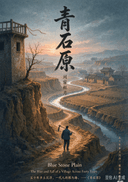
Book 1
《青石原》第一卷 黄土筑基·公社岁月Green Stone Plain: Synopsis
Tags: `Realism`, `Rural Epic`, `Decades of Change`, `Ensemble Cast`, `Family Saga`, `Village Life`, `Tides of History`, `Humanistic Literature`
In the half-century after the founding of the People's Republic, China carried out the most fundamental reform of its land system in more than two thousand years.
This book follows one village, Green Stone Plain, on the old course of the Yellow River, as it rises and falls, endures and carries on, through fifty years of historical tides, from 1952 to 2008.
In 1952, thirty-year-old Zhao Dehou climbs the old watchtower and sees the stream flowing uselessly past the village. He resolves to dig a canal. Young and old alike, the whole village spends three years cutting two channels out of the earth, one shovelful at a time. When the water comes through, the land comes alive, and so do the people.
Then, for fifty years, the tides keep coming: production teams, the Great Leap Forward, famine, the Cultural Revolution, the household responsibility system, the wave of migrant labor. Green Stone Plain rides every swell and sinks in every trough. The ancestral hall's doors are smashed open, then closed again. The lamp in the watchtower is lit, then snuffed out. The young leave, and the young return.
The novel centers on a dozen or so characters, each tracing a life of their own.
Fifty years on, the canal still runs and the fields are still sown. The grass before the ancestral hall grows tall, is cleared, and grows tall again. And atop the watchtower, a hemp rope still slaps against the wind, pa-ta, pa-ta, as it has all its life.
This is not a story about heroes. It is a story about the land.
---
The Green Stone Plain
A Fifty-Year Chronicle of the Yellow Earth
---
Genre: Historical Fiction / Family Saga / Chinese Rural Epic
Length: ~300 chapters | 650,000+ words
Comparable Titles: White Deer Plain by Chen Zhongshi × To Live by Yu Hua
The Green Stone Plain is not a story about heroes. It is a story about land, and the people who refused to leave it.
Spanning fifty years of Chinese rural history, from the land reforms of the early 1950s to the cusp of the 2008 Beijing Olympics, this sweeping family saga fo
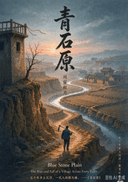
Book 5
《青石原》第二卷 祠堂泣血·乱世守根Blue Stone Plain: An Introduction
Tags: `Realism`, `Rural Epic`, `Changing Eras`, `Ensemble Cast`, `Family Saga`, `Village Life`, `Tides of History`, `Humanistic Literature`.
A half-century family epic set in a village in northern mainland China, tracing how land, clan, survival, and fate rose and fell across several generations swept along by the tides of the age. An ensemble work of literary realism — no cheat codes, no time travel, no rebirth.
This is a traditional novel written in the style of web-fiction page-turners.
The fifty years after the founding of the People's Republic saw the most fundamental transformation in China's land system in more than two thousand years.
On the old course of the Yellow River stands a village called Qingshiyuan, which rose, fell, and carried on through fifty years of historical tides.
In 1952, thirty-year-old Zhao Dehou climbed the blockhouse and watched the stream flow uselessly past the village. He resolved to dig a canal. The whole village, young and old, spent three years excavating two channels, one shovelful at a time. When the water came through, the land came alive, and so did the people.
For the next fifty years — production teams, the Great Leap Forward, famine, the Cultural Revolution, the household responsibility system, the wave of migrant labor — the tides of history surged in again and again, and Qingshiyuan rose and fell with them. The ancestral hall's doors were smashed open and shut again; the blockhouse's lamp lit up and went dark; the young left and came back.
Qingshiyuan has a dozen or so principal characters, each following a life of their own.
Fifty years on, the canal still runs, the fields are still planted, and the grass before the ancestral hall has grown tall and been cleared, been cleared and grown tall again. The hemp rope atop the blockhouse, pata, pata, has been flapping in the wind all its life.
This is not a story about heroes. It is a story about the land.
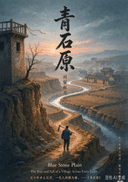
Book 6
《青石原》第三卷 春风裂土·乡土裂变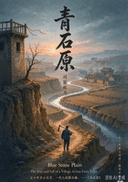
Book 7
《青石原》第四卷 人海漂泊·乡土失重青石原简介
标签:`现实主义`、`乡土史诗`、`年代变迁`、`群像故事`、`家族史诗`、`乡村生活`、`时代洪流`、`人文文学`。
Spanning half a century, this is a family epic of a village in the north of mainland China, following several generations as land, clan, survival, and fate rise and fall with the tides of their times. A realist ensemble novel: no golden fingers, no time travel, no rebirth.
It is a traditional novel written with the techniques of web fiction.
In the half century after the founding of the People's Republic, China underwent the most fundamental reform of its land system in more than two thousand years.
On the old course of the Yellow River stands a village called 青石原. For fifty years, it drifted and thrived on the tides of its age.
In 1952, thirty-year-old Zhao Dehou climbed the watchtower and saw the stream flowing uselessly past the village. He resolved to dig a canal. Young and old, the whole village spent three years excavating two channels, one shovelful at a time. When the water came through, the land came alive, and so did the people.
Over the fifty years that followed came the production brigades, the Great Leap Forward, the famine, the Cultural Revolution, the household responsibility system, the wave of migrant labor. The tides of history surged in again and again, and 青石原 rose and fell with them. The ancestral hall's doors were smashed open and shut again; the lamp in the watchtower lit up and went dark; the young left and came back.
青石原 has a dozen or so principal characters, each following a life of their own.
Fifty years on, the canal still runs, the fields are still sown, and the grass before the ancestral hall grows tall, is cleared, and grows tall again. The hemp rope atop the watchtower has slapped in the wind, pa-ta, pa-ta, for a lifetime.
This is not a story about heroes. It is a story about the land.
---
The Green Stone Plain
A Fifty-Year Chronicle of the Yellow Earth
---
Genre: Historical Fiction / Family Saga / Chinese Rural Epic
Length: ~300 chapters | 650,000+ words
Comparable Titles: White Deer Plain by Chen Zhongshi × To Live by Yu Hua
---
Synopsis
The Green Stone Plain is not a story about heroes. It is a story about land—and the people who refused to leave it.
Spanning fifty years of Chinese rural history, from the land reforms of the early 1950s to the cusp of the 2008 Beijing Olympics, this sweep
Book 8
《青石原 》 第五卷 山河归位·浮沉终章The Green Stone Plain — Synopsis
Tags: `Realism`, `Rural Epic`, `Decades of Change`, `Ensemble Cast`, `Family Saga`, `Village Life`, `Tides of History`, `Humanistic Literature`.
A family epic spanning half a century in a village in northern mainland China, tracing how the land, the clan, survival, and fate rose and fell for generations of villagers amid the currents of their times. An ensemble work of literary realism, with no cheat codes, no time travel, no rebirth.
This is a traditional novel written in the style of web fiction.
In the half century after the founding of the People's Republic came the most fundamental reform of land tenure in China's two-thousand-year history.
Beside the old course of the Yellow River, a village called Qingshiyuan drifted, struggled, and endured through fifty years of tumult.
In 1952, thirty-year-old Zhao Dehou climbed the watchtower and watched the stream wind past the village and run away to waste. He decided to build a canal. Young and old, the whole village spent three years digging two channels, one shovelful at a time. When the water came through, the fields came alive, and so did the people.
Over the next fifty years came the production teams, the Great Leap Forward, famine, the Cultural Revolution, the household responsibility system, the wave of migrant labor... Again and again the tide of history rolled in, and Qingshiyuan rose and fell with it. The ancestral hall's doors were smashed open, then shut again; the lamp in the watchtower was lit, then dark; the young left, then came home.
Qingshiyuan centers on a dozen or so characters, each following a path of their own.
Fifty years on, the canal still runs, the fields are still planted, and the grass before the ancestral hall has grown tall and been cleared, and grown tall again. The hemp rope atop the watchtower still slaps, pata, pata, having beaten against the wind for a lifetime.
This is not a story about heroes. It is a story about the land.
---
The Green Stone Plain
A Fifty-Year Chronicle of the Yellow Earth
---
Genre: Historical Fiction / Family Saga / Chinese Rural Epic
Length: ~300 chapters | 650,000+ words
Comparable Titles: White Deer Plain by Chen Zhongshi × To Live by Yu Hua
---
Synopsis
The Green Stone Plain is not a story about heroes. It is a story about land—and the people who refused to leave it.
Spanning fifty years of Chinese rural history, from the land reforms of the early 1950s to the cusp of the 2008 Beijing Olympics, this sweep