
How to Identify Mood in Literature: A Writer's Guide
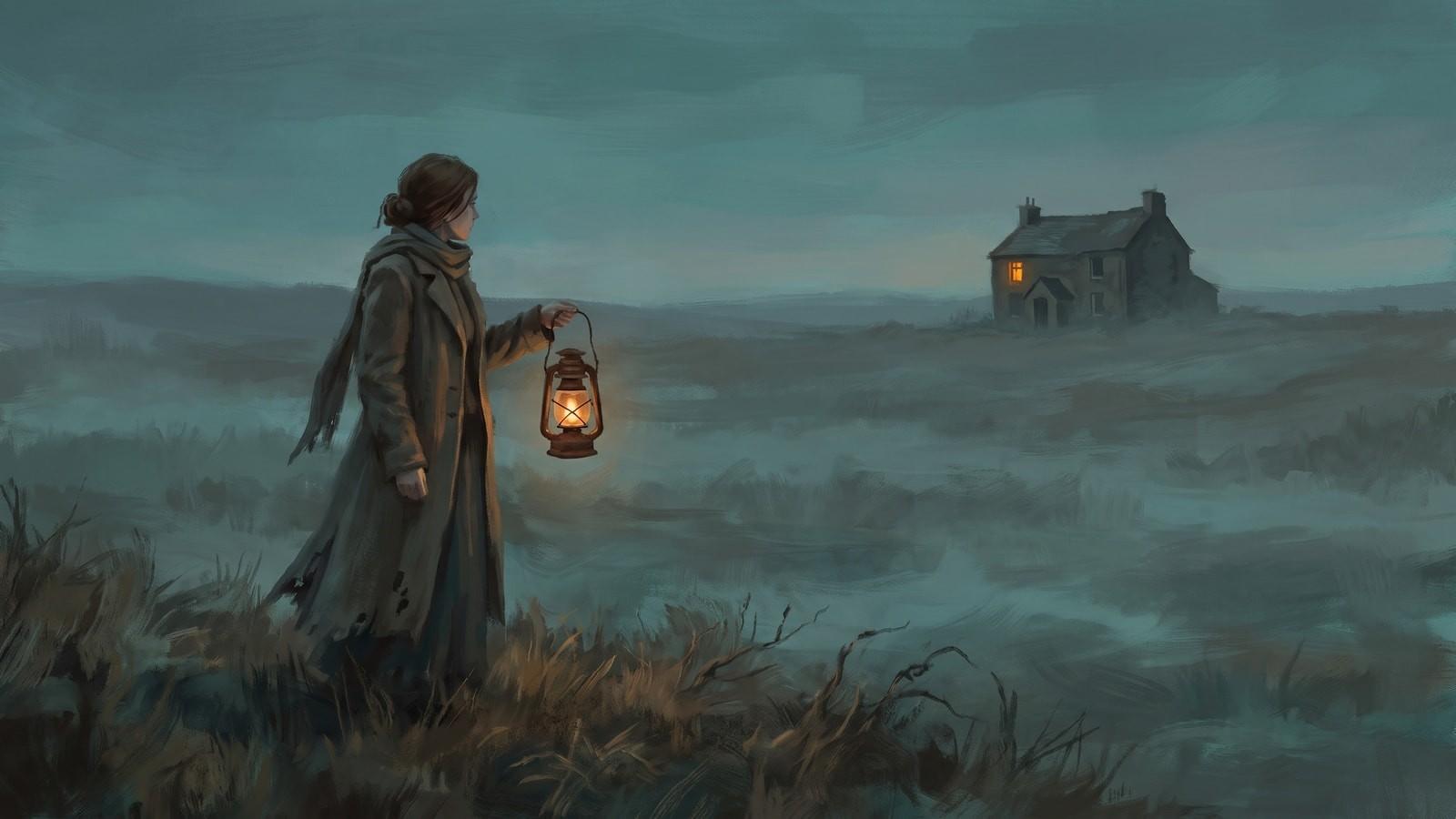
How to identify mood in literature: a five-step method, a simple mood vs. tone test, and why mood is the atmosphere on the page, not your mood.
To identify mood in literature, read for the emotional atmosphere the text builds, then trace that feeling back to the words that built it: the setting, the connotations of word choice, the sensory detail, and the rhythm of the sentences. Mood is the feeling a scene is designed to create, such as dread, warmth or longing, and you name it by pointing to evidence on the page. It is not simply how you happen to feel while reading.
Here is the short version:
- Mood is the atmosphere the passage builds. Tone is the narrator's or author's attitude toward the material.
- Mood is built from choices: setting, diction, imagery, pacing and sentence length, and what is left unsaid.
- A good mood word is specific. "Foreboding" or "wistful" will serve you better than "sad" or "scary."
- Mood shifts. A chapter, a scene, even a single paragraph can turn the air in the room.
- If you write fiction, the same checklist works in reverse: pick the feeling first, then choose the details that carry it.
Is the mood how the reader feels?
Not exactly, and this is where many quick definitions go wrong. You will see "tone is how the author feels, mood is how the reader feels" repeated everywhere. It is a handy shortcut, but it breaks down fast.
Say you are reading a gothic thriller, you are tired, and you feel bored. Boredom is your reaction. The mood of the passage is still tense and ominous, because that is the atmosphere the text is working to build. A reader can feel something other than what the writing aims for, and when that happens, the gap is useful information. Either the reader is out of step with the book, or the writing missed.
So think of mood as the intended emotional climate of the text, which a reader usually, but not always, ends up feeling. You are identifying what the page is doing, not taking your own temperature.
A simple test: mood vs. tone
Here is a rule you can carry into any classroom or critique group: tone is the voice, mood is the weather.
Tone lives in how the narrator or speaker talks about the subject: sarcastic, tender, clinical, bitter. Mood lives in the atmosphere the scene creates around the characters and the reader: oppressive, hopeful, serene.
A quick check is to ask two questions of the same passage. "How does the speaker sound about this?" gives you tone. "What does the air in this scene feel like?" gives you mood. They can even pull against each other. A narrator can describe a funeral in a breezy, amused tone while the mood stays heavy and strange, and that friction is often exactly what the writer wanted.
A five-step way to identify mood in literature
You do not need a worksheet. You need a repeatable habit. Try this on any passage:
- Start with the setting. Where and when are we, and what is the weather, light or season doing? A sealed room at 3 a.m. and a porch at noon already point in different directions.
- Read the word choices for connotation. Two words can mean the same thing and feel nothing alike. "The house stood" is neutral. "The house crouched" is not. Underline the words that carry feeling beyond their meaning.
- Gather the sensory details. What can be seen, heard, smelled, touched or tasted? A smell of damp wool and a distant bell build a different room than fresh bread and open windows.
- Listen to the rhythm. Short, clipped sentences press on the nerves and speed the pulse. Long, looping ones slow you down into reflection, calm or reverie. Fragments can feel like held breath.
- Name the mood, then defend it. Pick the most precise word you can and point to two or three pieces of evidence from steps one through four. If you cannot point to anything, you are guessing, so go back and look again.
Most pages that rank for this question lean hard on step one, the dark and stormy night. Setting matters, but rhythm and word choice often do more of the work. A bright, sunny afternoon can feel menacing if the sentences are tight and the details slightly off.
Mood is not one word for a whole book
Many guides treat a novel as having a single mood, as if you could stamp "gloomy" on the cover. Real books move. A story can open warm and domestic, turn suspicious by chapter three, and end in a quiet, bruised calm.
When you read, track where the atmosphere changes and what changed it. Did a new character walk in? Did the sentences suddenly shorten? Did a recurring image, such as a locked door or a particular song, return with new weight? Tracking shifts is often the sharpest thing you can say about a text, because it shows you understand how the writer steers the reader rather than just what the scene feels like.
If you are writing your own novel, this is also a planning tool. Knowing the mood you want at the end of each scene lets you decide where to build tension, where to let it breathe, and where a contrast, such as a cheerful scene right before a bad turn, will hit hardest.
What are the different moods that a book can create?
There is no closed list, but it helps to think in contrasts, because paired opposites sharpen your ear:
- Idyllic or desolate: a place that feels like refuge, or one that feels emptied out.
- Liberating or confining: open air and possibility, or walls pressing in.
- Nostalgic or haunting: the past as a warm memory, or the past as something that will not leave.
- Tense, foreboding, eerie: the family of dread.
- Whimsical, playful, buoyant: lightness, sometimes with an edge.
- Melancholy, wistful, somber: quiet sorrow without melodrama.
- Serene, tender, hopeful: safety and warmth.
Reach past "happy" and "sad" whenever you can. "Wistful" tells your reader or your teacher something "sad" never will, and the effort of choosing the exact word trains you to notice the exact detail.
What are some examples of moods that are used in movies?
Film borrows the same machinery and adds a few tools, but the logic is identical. A horror film builds dread with a long, silent shot of an empty hallway, which is pacing and withheld information doing the job that short sentences do on the page. A cozy comedy sets its mood with warm light and clutter, the visual twin of cozy, specific, sensory prose. A noir leans on shadow and rain-slicked streets, which is just setting and imagery again.
The useful exercise is translation. Take a scene from a film you love, then try to produce the same atmosphere in words alone. You will quickly find that the page has to do through sentence rhythm and chosen detail what the camera and score do for free.
How can you measure mood?
You cannot measure it with a number, but you can make your reading rigorous. Write down the mood word you chose and list the specific evidence behind it. If a friend reads the same passage and picks a different word, compare evidence rather than arguing about feelings. Often you will find you each noticed different details, or that your two words are near neighbors, say "uneasy" and "foreboding." For a writer, the working measure is simpler still: give a scene to a reader without telling them what you intended, and ask what the room felt like.
Building mood on purpose, in your own book
If you are drafting a novel, you can apply the five steps in reverse. Decide the feeling a scene should leave, then choose the setting details, the connotation-heavy verbs, the sensory anchors and the sentence length that produce it.
On Novelmint, you can write that intention into the plan itself. Each beat, the scene-by-scene plan point in your chapter outline, can carry a note about how it should be written, such as what a character hides or the mood to strike, and readers only ever see the prose it shapes. You can also give each beat a scene style that shapes its tone, sentence rhythm and length within your series voice, so a chapter can move from steady description into controlled tension and back. You can learn how the planning works in the story beats guide, and see the broader craft side in what mood is in a story. If you want a deeper look at how scene planning works, the Plan a book with Minty page walks through it.
Writing every word yourself is a fully supported way to work too, and you can mix your own prose with AI help, chapter by chapter. When you are ready to set up a book, you can start writing a book and choose a voice and story shape from there.
FAQ
What are the different moods that a book can create?
Almost any emotional atmosphere: tense, eerie, nostalgic, serene, whimsical, melancholy, oppressive, hopeful and many more. Think in contrasts, like idyllic versus desolate or liberating versus confining, and choose the most specific word the evidence supports.
What are some examples of moods that are used in movies?
Dread in a horror film built from silence and long empty shots, coziness in a comedy built from warm light and clutter, and moody menace in a noir built from shadow and rain. The techniques differ, but they map onto the same ingredients you use in prose: setting, detail, pacing and withheld information.
How can you measure mood?
Not with a score. You can make it rigorous by naming a precise mood word and listing the setting, word choices, sensory details and rhythm that support it. If readers disagree, compare their evidence.
Is the mood how the reader feels?
Not strictly. Mood is the atmosphere the text is built to create, which readers usually feel but sometimes do not. If you are bored by a gothic thriller, the mood is still ominous. Your reaction and the passage's mood are two different things.