
What Are Moods of a Story? Types and How to Build Them
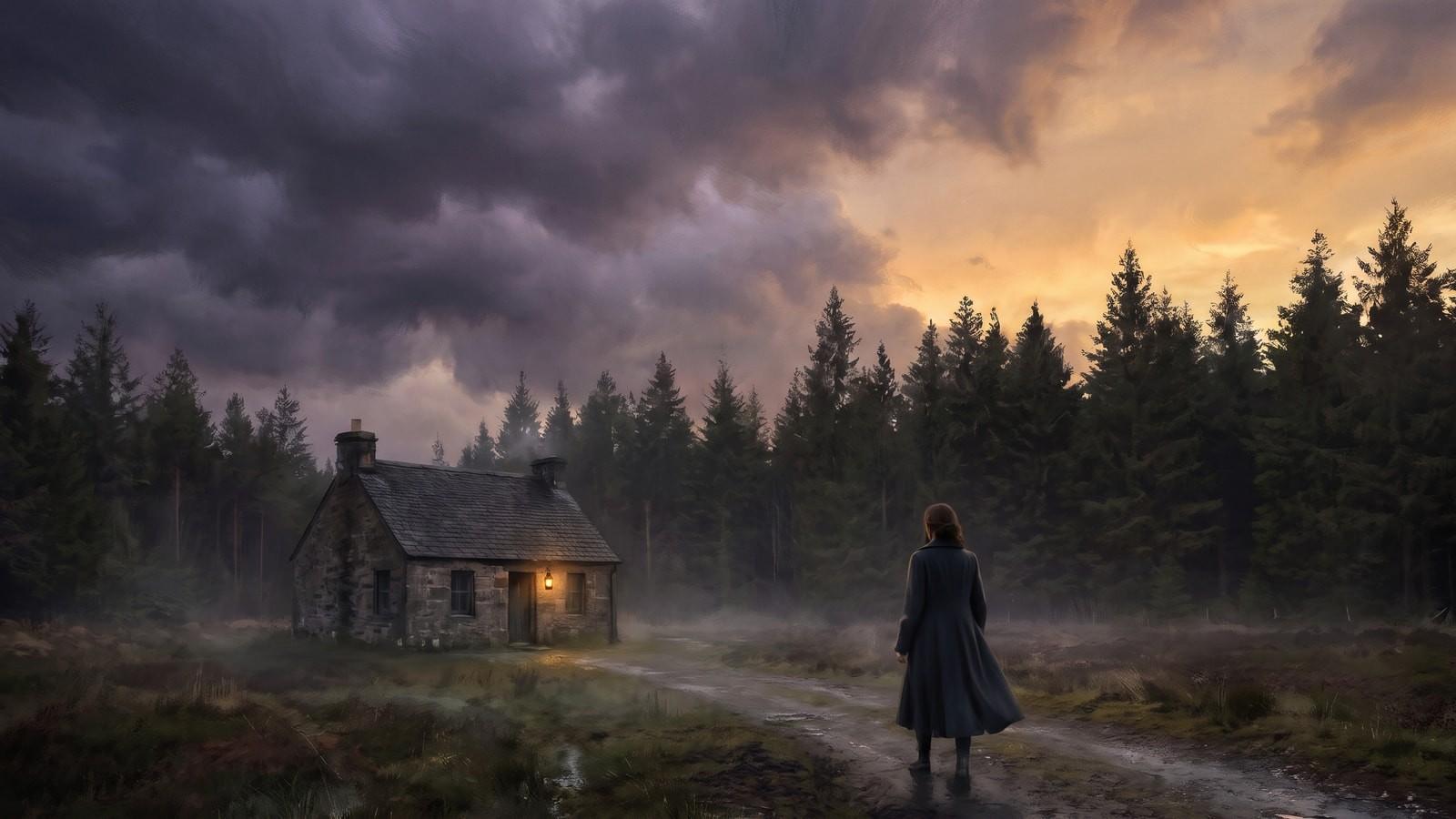
What are moods of a story? A plain guide to the main types, how mood differs from tone, how to build it in a novel, and how to shift it across chapters.
What are moods of a story? Mood is the feeling a piece of writing creates in the reader: the emotional atmosphere you carry away from a scene, a chapter or a whole book. The common moods are cheerful, romantic, peaceful, gloomy, tense, ominous, mysterious, melancholy, nostalgic and hopeful, and most stories move through several of them rather than holding one from start to finish.
Here is what to hold onto:
- Mood is what the reader feels. Tone is the narrator's or author's attitude toward the subject. They often match, but they don't have to.
- Moods fall into four loose families: positive, dark, tense and reflective.
- You build mood with setting, sensory detail, word choice and sentence rhythm, not by naming the feeling.
- A novel has a mood per scene and a mood across the book. Good novels shift between them on purpose.
- A character's mood and the story's mood are two different things, and the gap between them is where a lot of good writing lives.
What is the overall mood of the story?
If someone asks for the overall mood of a story, they want the one or two words that describe the dominant feeling left behind after reading: eerie, whimsical, bleak, warm. It is the answer to "how did this make me feel?" rather than "what happened?"
To find it in a text you are reading, look at four things: where and when the story is set (a storm-battered coast or a sunlit kitchen), which sensory details the writer keeps returning to, which emotionally loaded words repeat, and how fast the sentences move. Short, clipped sentences push toward tension. Long, unhurried ones push toward calm or reflection. Put those together and the overall mood usually names itself.
For a novel, "overall" is a simplification. A long book can be dread for three chapters, tenderness for two, then something close to farce. The overall mood is whichever feeling wins out across the whole, not a feeling that never changes.
What best defines mood? Mood versus tone and atmosphere
The short version: mood is how the reader feels; tone is how the writer sounds. The word itself goes back to the Old English mōd, which meant "feeling," according to StudioBinder's write-up of the term.
Atmosphere sits next to both. Atmosphere is the sensory feel of a particular place or scene: the damp cellar, the humming diner at 3 a.m. Mood is what that atmosphere does to the reader.
The rule of thumb breaks down in an interesting place. Tone and mood can pull in opposite directions. A narrator can describe something horrifying in a breezy, jokey voice, and the reader ends up more disturbed, not less, because the cheerfulness feels wrong. A dry, deadpan tone can make a tragedy hit harder. If you only ever treat mood as "the tone, but for the reader," you miss one of the best tools in fiction: letting the two disagree.
What are the different types of moods?
Most guides sort mood words into four families. LitCharts, for instance, lists 17 core mood words used in analysis, including cheerful, reflective, gloomy, humorous, melancholy, idyllic, whimsical, romantic, mysterious, ominous, calm, lighthearted, hopeful, angry, fearful, tense and lonely. Grouped by feeling, they look like this:
- Positive: cheerful, romantic, peaceful, whimsical, idyllic, hopeful, lighthearted. Alice's Adventures in Wonderland is the usual example of whimsy.
- Dark or negative: gloomy, dreary, terrifying, angry, oppressive. Poe's "The Fall of the House of Usher" is the classic foreboding, eerie case.
- Tense or suspenseful: ominous, foreboding, anxious, mysterious, claustrophobic. Think of the dread that builds before anything has actually happened.
- Reflective: somber, nostalgic, bittersweet, contemplative, melancholy.
Genre leans on certain moods. Horror runs on tension and dread, romance on warmth and longing, fantasy on wonder and mystery. That is a habit, not a law, and the books that stand out often borrow a mood from a neighbouring genre.
A note on a question that turns up beside this one: "What are the 7 types of writing styles?" That is a different idea. Styles describe how prose is written (descriptive, narrative, expository, persuasive and so on), while mood describes the feeling the prose produces. A narrative style can carry any mood.
How to build mood in your own story
Telling the reader "the house felt sinister" does very little. Building the feeling does the work. The same four levers apply whether you write a short story or a four-hundred-page novel.
Setting and weather. A dark, stormy night and a bright field are the obvious pair, but specifics beat clichés. A kitchen where the clock is slightly too loud does more than "a gloomy room."
Sensory detail. Go past what the eye sees. A smell of wet wool, a hum from a fridge, the cold of a doorknob. One precise sound or smell is worth a paragraph of adjectives.
Word choice. Pick words that carry feeling on their own. A character doesn't walk through a ruined street; she picks her way, which already suggests care and fear. Be wary of piling on charged words, though. Too many adjectives and the mood tips into purple prose and reads as effortful rather than felt.
Sentence rhythm and pacing. Short sentences speed things up and tighten the chest. Long ones slow the reader down. Vary them deliberately and the reader's body responds before their mind catches up.
If you plan your book scene by scene, the mood you want for each scene is worth writing down at the planning stage. On Novelmint you can add a note to any beat about how it should be written, such as the mood to strike, and readers only ever see the prose it shapes. You can also give each beat a scene style that shapes its tone, sentence rhythm and length within your series voice, so a chase can stretch out while a tense negotiation stays tight. If you are new to planning in beats, Story Beats: What They Are and How to Use Them is a good place to start, and What Is the Mood in a Story? A Writer's Guide goes deeper on the craft side.
Mood shifts, and mood versus character feeling
Most top-ranking explanations treat mood as one fixed label, which suits a school essay but not a novel. Over a long book, a single unchanging mood is tiring. Readers need relief: a gentle chapter after a brutal one, a joke before the floor drops out.
Think of mood in two layers. Each scene has its own mood, and the book as a whole has a dominant one that those scenes add up to. When you plan, it helps to see the whole run of moods at a glance and ask where the reader gets to breathe, and where you are holding the same note too long. Laying your book out as chapters of beats in one scrolling view makes that easy to check, and the Story Arc guide covers how mood shifts line up with the rise and fall of a plot.
The second thing most guides skip is the difference between a character's mood and the scene's mood. A cheerful character walking through a sinister setting produces a mood of unease, because the reader can see what the character can't. A grieving character in a bright, busy market can make the grief feel sharper. Keep the two apart in your head and you will have more to work with.
Planning mood across a whole book on Novelmint
If you write long fiction, mood is easiest to hold steady when your plan and your notes live in one place. Novelmint is a platform where you write, publish and read novels, and a few of its features bear directly on this.
- Story dials. Move 18 story dials, including tone, pace, romance and darkness, and the shape you choose guides how every chapter is written. You can also paste a passage you wrote and have the dials set from it.
- Voice and scene styles. Pick a base voice for the whole series, such as The Minimalist, The Storyteller or The Wit, then give individual beats a scene style, such as Warm & Grounded or Controlled Tension, so a chapter can move from steady description into tension and back.
- A story bible. Keep your notes on characters, places and world rules in one story bible that every chapter is written from, so a setting keeps its feel from scene to scene.
- Continuity. Ask Minty, the built-in AI editor, for a continuity check and get a list of contradictions tied to the beats that disagree, which catches the slips that quietly break an established mood. See Continuity check for the detail.
To go from idea to a planned and written book, the Build a book agents take your answers (or a conversation with Minty, who offers example answers to take or bend) through your Story Profile, world, cast, story arc, a continuity check and then chapters, one step after another. You can read about them on the agents page.
FAQ
What are the 7 types of writing styles?
That question is about style rather than mood. The usual lists name styles such as narrative, descriptive, expository and persuasive, with extra categories added depending on the source. Mood is separate: it is the feeling any of those styles can produce in the reader.
What is the overall mood of the story?
It is the dominant feeling the whole story leaves with the reader, such as eerie, whimsical or melancholy. To identify it, look at the setting, the sensory details, the emotionally charged words and the pace of the sentences. In a novel, remember that individual scenes can differ from that overall feeling.
What best defines mood?
Mood is the emotional atmosphere a piece of writing creates in the reader. It is different from tone, which is the attitude the writer or narrator takes toward the subject, and from atmosphere, which is the sensory feel of a particular setting.
What are the different types of moods?
Mood words usually fall into four groups: positive (cheerful, romantic, hopeful), dark (gloomy, oppressive, terrifying), tense (ominous, mysterious, anxious) and reflective (nostalgic, bittersweet, contemplative). Many stories blend more than one.
Ready to plan the mood of your own book scene by scene? Start writing a book on Novelmint.