
Mood Examples: 30 Ways to Set a Feeling in Fiction
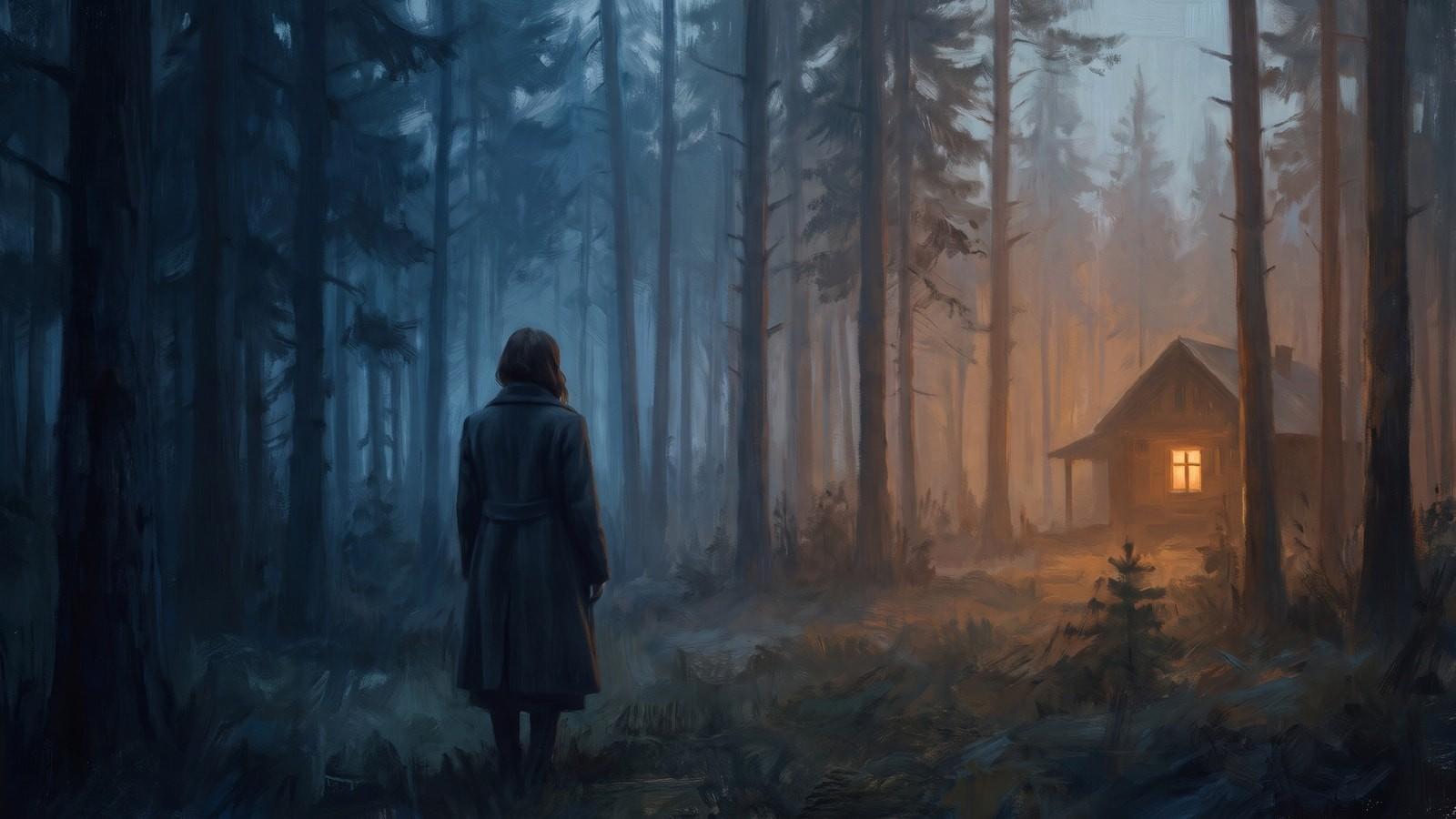
Mood examples in fiction, sorted by feeling, with the craft behind each one, plus mood vs tone, atmosphere and emotion, and how to shift mood by scene.
Mood examples are lines of fiction that make the reader feel something before any character says how they feel: "The house had been quiet for three days, and nobody had mentioned it" is dread, and "Rain on the tin roof, tea going cold, nowhere to be" is calm. Mood is the feeling a passage creates in the reader, built from word choice, setting, rhythm and what the point-of-view character notices. Below are examples sorted by feeling, with the craft that makes each one work.
- Mood is what the reader feels. Tone is the narrator's attitude. Atmosphere is the sensory feel of a place. Emotion is a character's short, sharp reaction.
- You build mood from four things you control: what the viewpoint character notices, the verbs and adjectives you pick, sentence length, and what you leave out.
- A novel doesn't have one mood. Each scene can have its own, and the shifts between them are where tension lives.
- Show the mood through specifics. Never name it ("it was a gloomy day") when a detail can carry it.
- Plan the mood of each scene on purpose, then check that the prose delivers it.
Mood examples, sorted by feeling
Each example below is original, written to show the mechanism rather than to quote a famous opening you have already seen a hundred times.
Dread. "The porch light was off. It was always on." The mood comes from a broken pattern. Short sentences, a small wrongness, no explanation. Dread grows when the reader knows slightly more than the character does.
Cozy. "The kettle muttered on the stove while Ines sorted buttons into jars, one for each color, none of them full." Warm verbs, small repeated tasks, objects that suggest time to spare. Cozy is mostly about low stakes and unhurried rhythm.
Melancholy. "He kept her coffee mug on the shelf, though the glaze had begun to craze." The mood sits in an object the character can't let go of. Melancholy rarely announces itself. It leaks from what people keep.
Suspense. "The elevator stopped between floors. Nobody pressed a button." Suspense stretches time. Short lines, withheld information, a question the reader needs answered.
Whimsy. "The mayor's goat had opinions about the zoning board, and tonight it was prepared to share them." Playful personification and a straight-faced narrator. Whimsy needs a light touch with rhythm: longer, bouncier sentences.
Romantic tension. "She read the same line of the menu four times, aware of exactly where his hand was." Attention narrows to a body, a distance, an almost-touch. Mood here is made of what the viewpoint character can't stop noticing.
Eerie calm. "The street was spotless. Every lawn had been cut to the same height. No one was outside." Order that feels too complete. Uncanny moods often come from perfection, not mess.
Triumph. "The gates opened and the whole square stood up at once." Rising rhythm, collective motion, a long sentence that finally breaks into a short one.
Dread, nostalgic version. "The pool smelled the way it always had, chlorine and old rubber, and for a moment he was eleven, and for a moment he was afraid." Two moods in one image. Smell is the shortest route to memory, so it is the shortest route to mood.
Mood vs atmosphere vs tone vs emotion
Writers mix these up, and most explanations treat them as synonyms. They aren't.
- Atmosphere belongs to the setting: fog, dim light, the smell of a damp cellar. It is the raw material.
- Mood is what the reader feels as a result. A foggy graveyard can create dread, or, in a comedy, amusement. Same atmosphere, different mood.
- Tone is the narrator's attitude toward the subject: wry, solemn, tender, mocking. A cheerful tone describing something horrible creates its own mood, a deeply uneasy one.
- Emotion is what a character feels in the moment: a flash of anger, a stab of fear. Emotion is brief and has a trigger. Mood is the lingering weather across a whole scene.
So what is the difference between mood and emotion? Emotion happens to a character and passes. Mood is a broader state, one the reader carries through a scene. A character can feel a flicker of amusement inside a scene whose mood is grief, and that contrast is often what makes the scene land.
How to create mood in your own scenes
Filter through the viewpoint character. Two people walk into the same room and notice different things. A woman who just got fired sees the cracked ceiling tile and the rude receptionist. The same woman, newly hired, sees natural light and a plant on every desk. Decide what your character's state is, then let them notice accordingly.
Choose verbs with a feeling attached. "Crept," "strolled," "stalked" and "drifted" all mean walked. Each carries a different mood. Check your verbs before your adjectives.
Use sentence length as pulse. Long, winding sentences slow time and suit calm, grief or dreamlike states. Short ones speed it up. A chase wants clipped lines. A funeral wants room.
Let objects do the work. The coffee mug, the unlit porch light, the full jar of buttons. A well-chosen object holds a mood without a single feeling word.
Leave things unsaid. Mood often lives in what the characters avoid mentioning. Dinner conversation that carefully skirts one subject feels tense without a raised voice.
Match mood to genre, then twist it. Readers arrive with expectations. A cozy mystery promises warmth and a puzzle. Horror promises dread. If you want help with those promises, the guides on how to write a horror novel and how to write a mystery novel go through what each genre's readers expect.
Moods shift: planning mood scene by scene
Most mood advice treats a book as one label ("this novel is melancholy"). Real novels move. A chapter might open peaceful, tip into unease, and end in panic. That movement is what keeps a reader turning pages, and it deserves a plan.
A simple method: for each scene, write one line stating the mood you want the reader to arrive with and the one you want them to leave with. "Arrive: relaxed. Leave: suspicious." Then ask what specifically changes the feeling, a detail noticed, a line of dialogue, an interruption. If you can't name the turn, the scene may be flat.
Planning in beats makes this easy. On Novelmint you can lay a book out as chapters of beats in one scrolling view, and add a note to any beat about how it should be written, such as what a character hides or the mood to strike. Readers only see the prose that note shapes. You can also give each beat a scene style, such as Controlled Tension or Warm & Grounded, which shapes tone, sentence rhythm and length within your series voice. A chapter can then move from steady description into controlled tension and back. For the longer version of that method, see what is a story beat, and for the mood basics, what is the mood in a story.
Where Novelmint fits
If you write on Novelmint, mood becomes something you plan and check, not something you hope for. Your beat notes, scene styles and story bible go with each scene as it is written, so the mood you set in the plan carries into the prose. When a passage isn't working, you can ask Minty, the built-in AI editor, why. She reads the prose, traces the problem to the beat, note or story bible detail behind it, and suggests the change to make there. A Style check can also flag habits common in AI-written prose. The details of that workflow are on the revise and polish page.
You decide how much help you take: write every word yourself, let the AI write chapters from your beats, or mix the two. The first chapter of your first book is written at no charge, and /pricing lists plans and credit prices.
If you use ChatGPT or Claude to brainstorm, you can connect them to Novelmint over MCP so they work on the same plan, characters and notes as the Studio. The setup is at /mcp.
FAQ
What is the difference between mood and atmosphere in literature?
Atmosphere is the sensory feel of the setting: the fog, the light, the smell of the room. Mood is the emotional response that setting creates in the reader. The same atmosphere can produce different moods depending on the narrator's tone and what the characters are going through.
What's the difference between mood and emotion?
Emotion is a short, intense reaction to a specific trigger, felt by a character. Mood is a broader, longer-lasting state spread across a scene, felt by the reader. A character can feel a flash of joy inside a scene whose mood is sorrow.
Is it possible to control your mood?
In fiction, yes, and you do it through craft: which details the viewpoint character notices, the verbs you choose, how long your sentences run. In real life, the question belongs to psychology and mental health, a different field from narrative mood, and a clinician is the right person to ask about your own.
How to handle mood swings of a girl?
That is a question about a real person, not about fiction, so it sits outside this post. If you are writing a character whose feelings change quickly, treat it as a scene-level craft problem: show each shift through what she notices and does, give every swing a cause the reader can follow, and avoid using it as shorthand for "unreasonable."
Try it on your next scene
Pick one scene you're about to write. Name the mood the reader should arrive with, name the one they should leave with, and decide what changes between them. Then write it, and read it aloud to hear whether the feeling lands. When you're ready to plan a whole book that way, start writing on Novelmint.